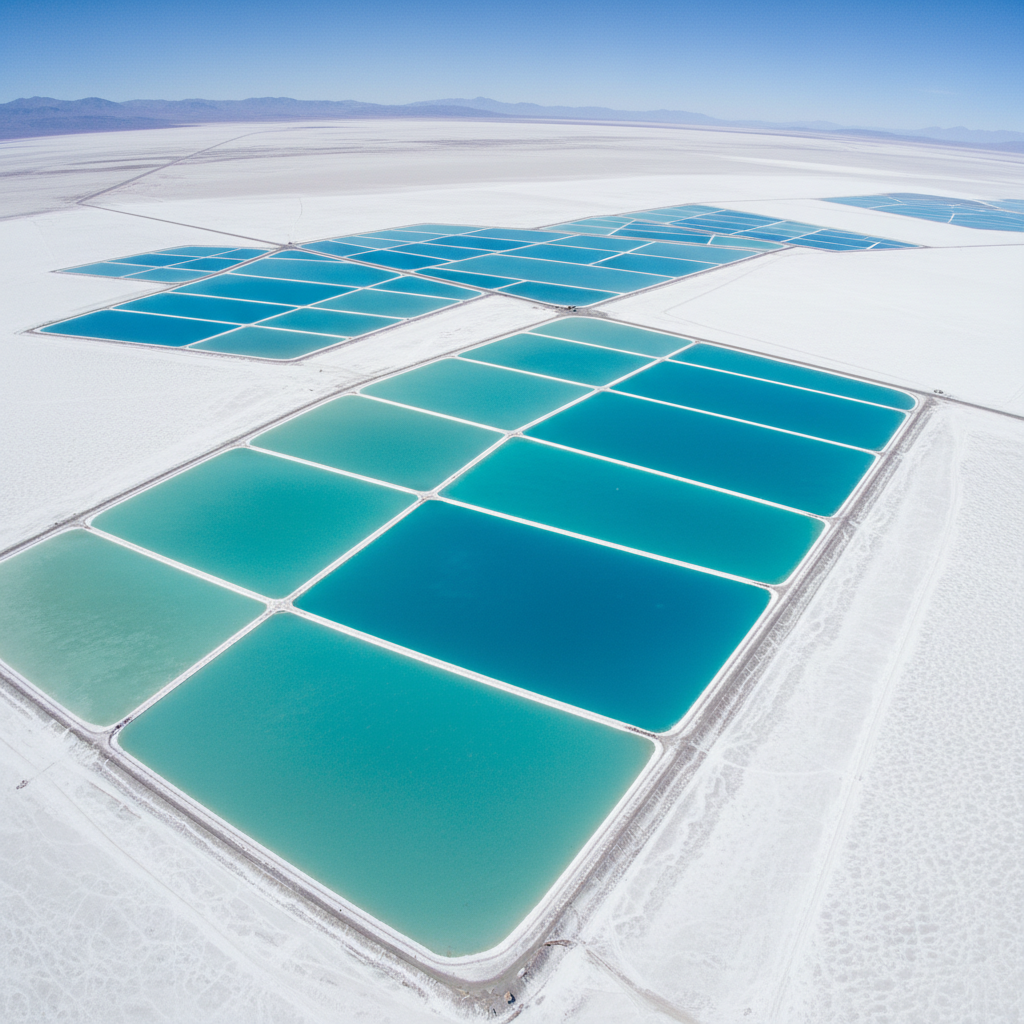
White Gold
from Ancient Brine.
Atacama brine extraction, solar concentration, and precision carbonation — delivering battery-grade Li₂CO₃ to gigafactory lines on four continents.
Five stages.
Every step verified.
From brine pump to bagged carbonate — each stage is documented with operational data and third-party audit results. This is how we collapse three RFP rounds into one scroll.
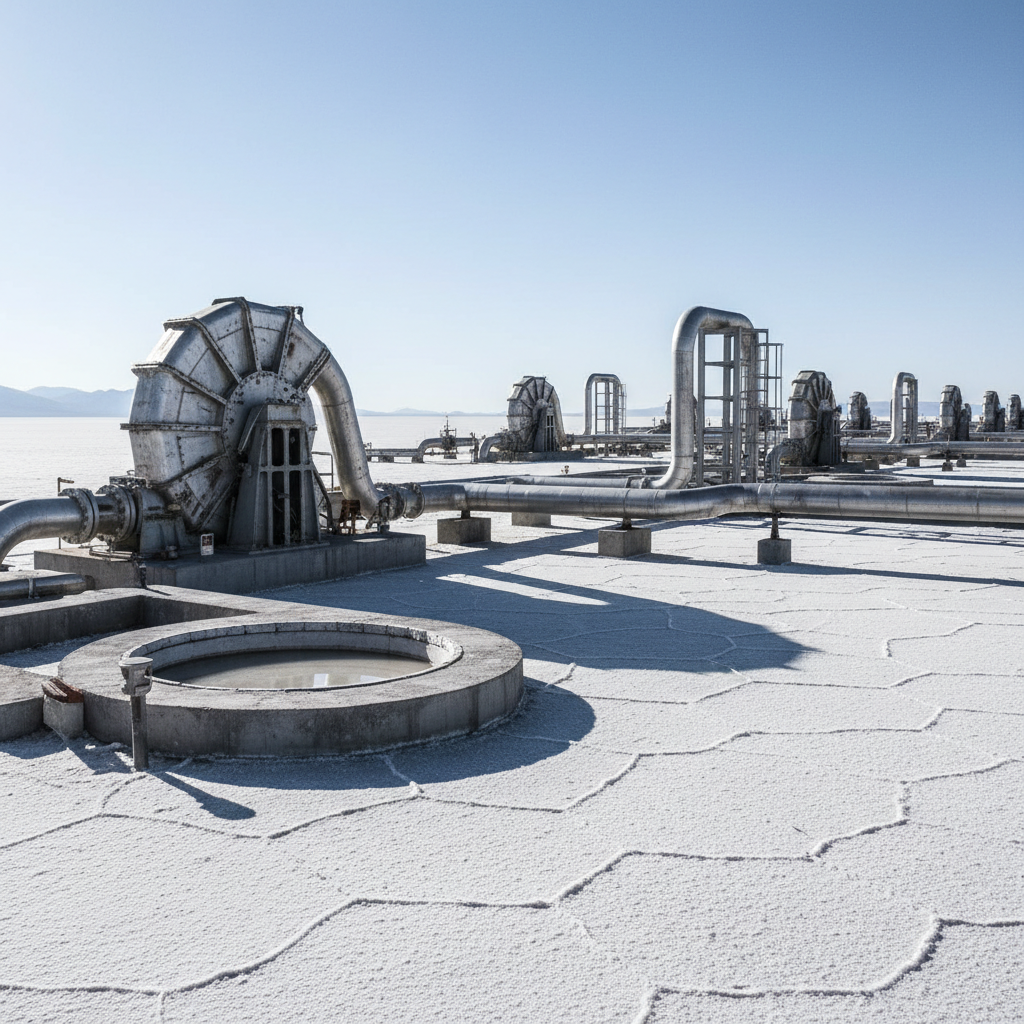
Pumped from 40 metres below the salt crust.
Lithium-rich brine is drawn from aquifers beneath the Salar de Atacama using a network of 148 monitored extraction wells. Flow rates are adjusted in real time against hydrological models to stay within permitted drawdown limits.
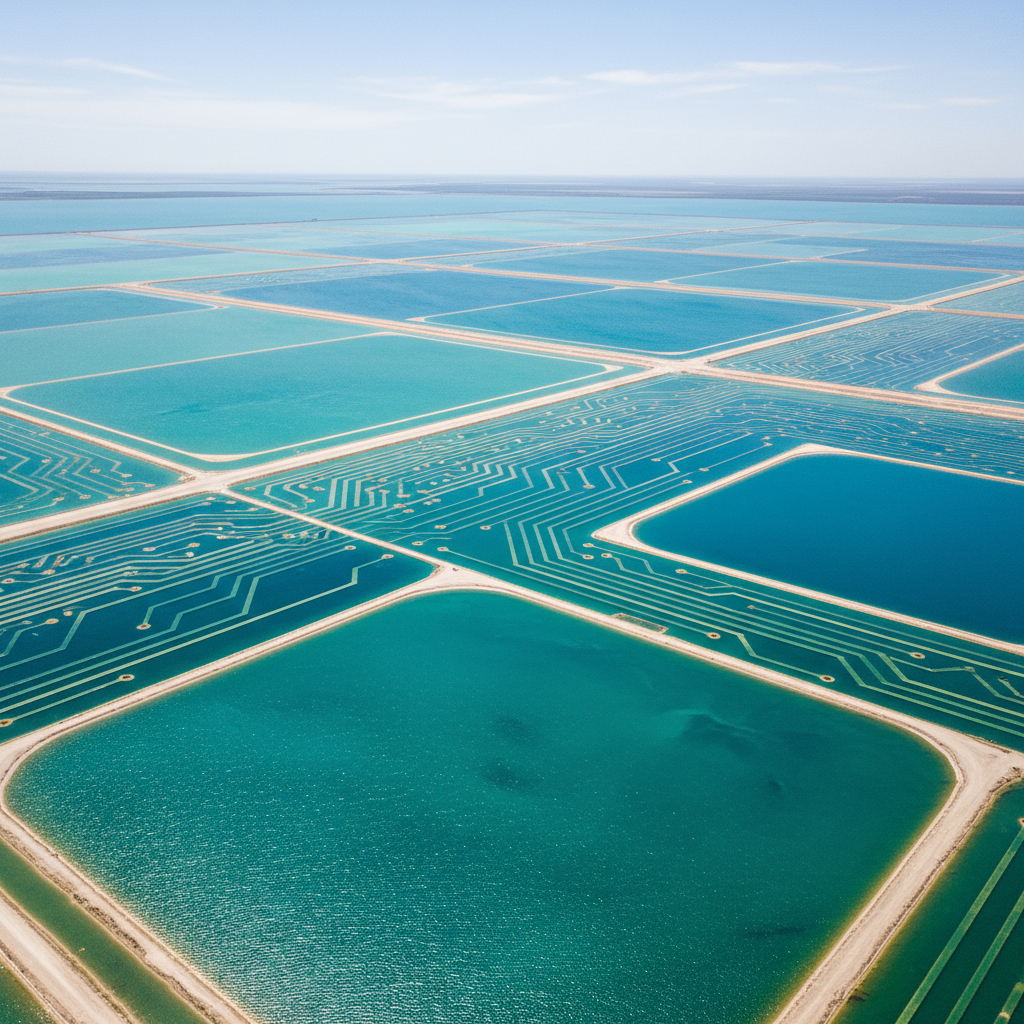
The sun does the heavy lifting.
Brine flows through a cascade of 34 evaporation ponds totalling 1,400 hectares. Solar radiation concentrates lithium chloride from 0.18% to over 6% over an 18-month cycle. No external energy input. No combustion.
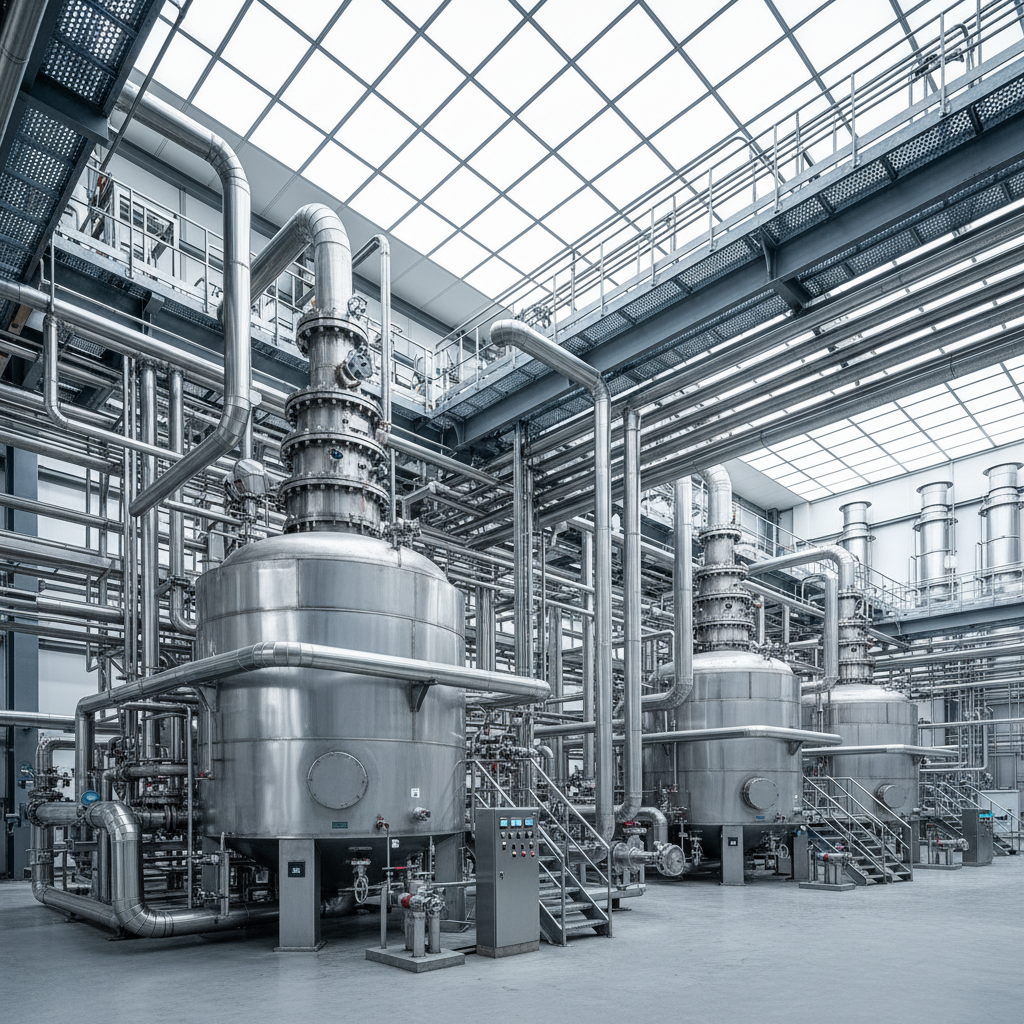
Magnesium and boron removed. Lithium isolated.
Concentrated brine is treated with lime to precipitate magnesium hydroxide, then passed through selective ion-exchange resin beds to strip boron below 5 ppm. The resulting purified LiCl solution enters the carbonation circuit.
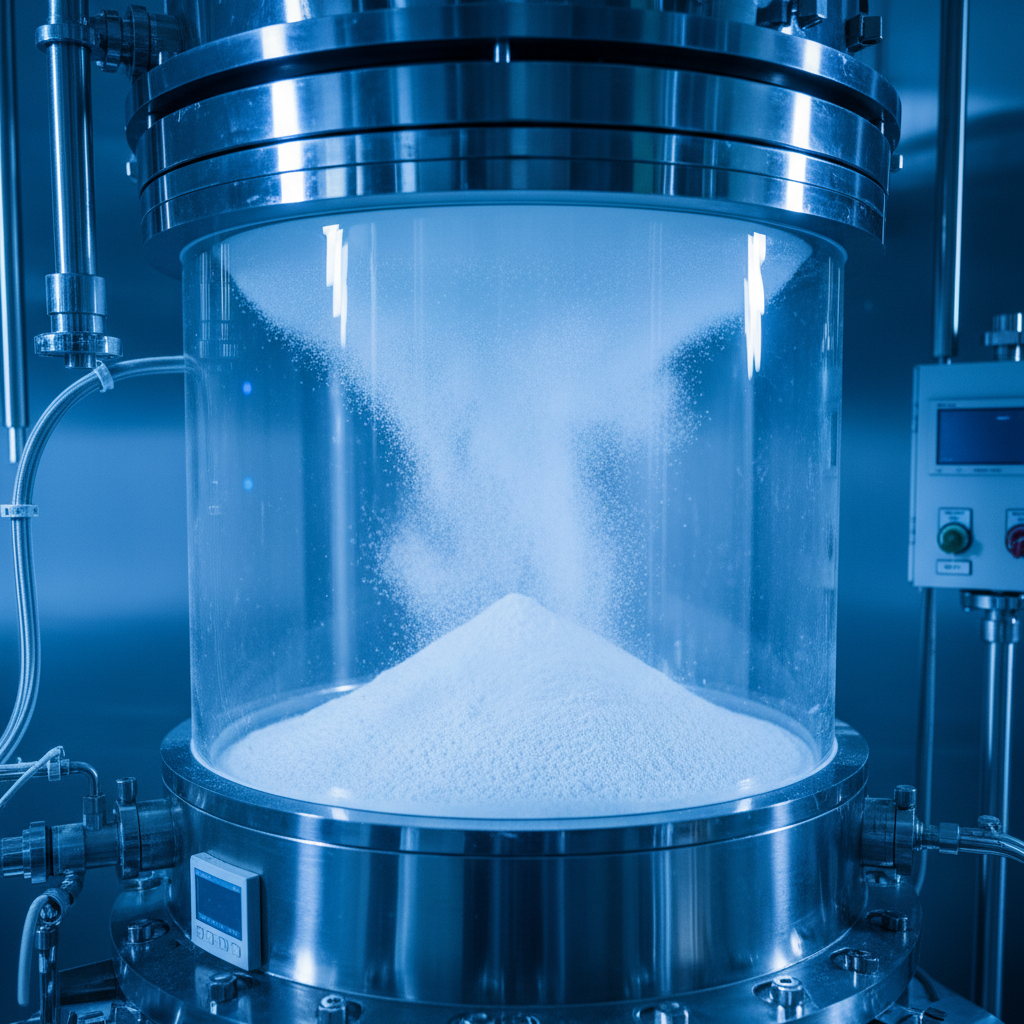
LiCl becomes Li₂CO₃ at 85°C.
Purified lithium chloride reacts with soda ash (Na₂CO₃) in continuous-flow reactors at 85°C. Lithium carbonate precipitates out of solution, is filtered, washed with demineralised water, and routed to the dryer train.
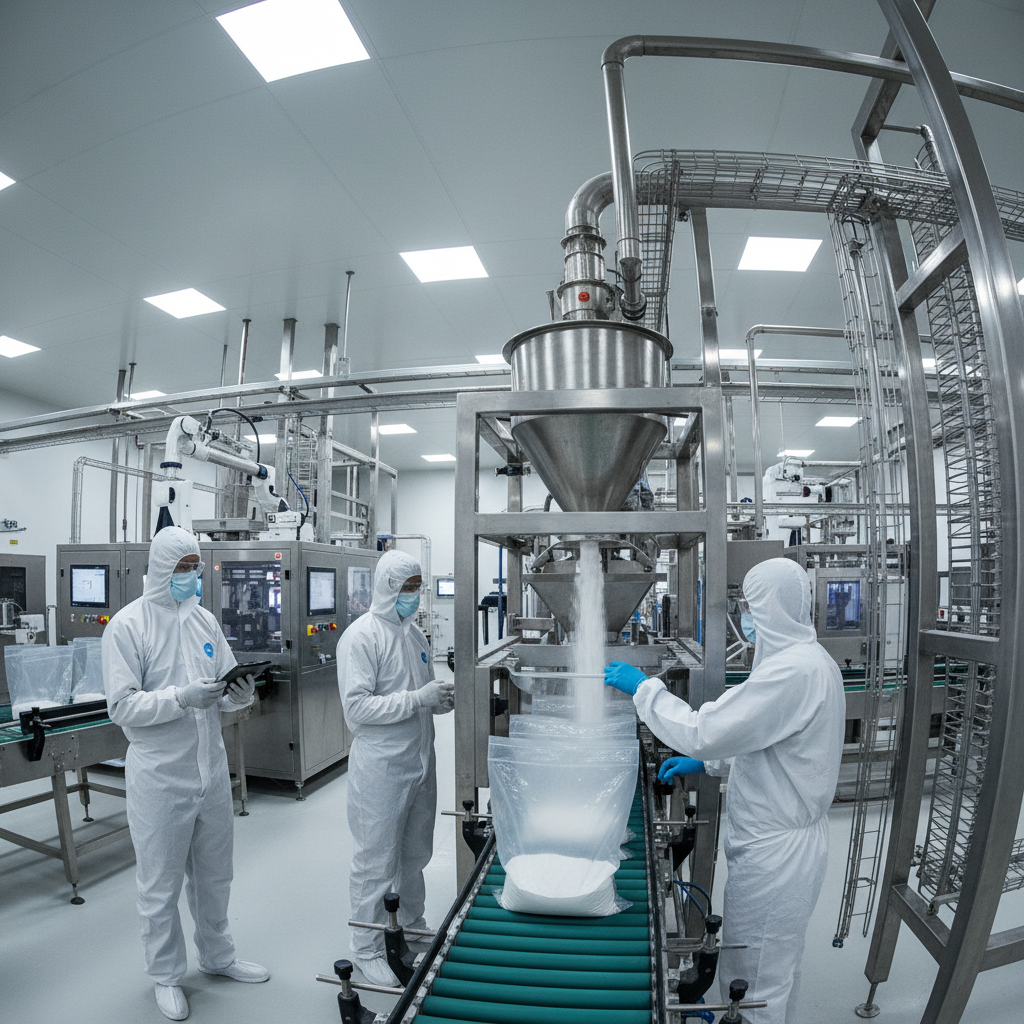
Moisture below 0.3%. Bagged. Blockchain-tagged.
Li₂CO₃ cake is spray-dried to <0.3% moisture, milled to a D50 of 8–12 µm, and loaded into 1-tonne big-bags. Each batch receives a blockchain-anchored certificate of analysis traceable to its originating evaporation pond and extraction date.
Benchmark us.
We built this table for you.
| Dimension | Lithium Operations | Brine Industry Avg | Note |
|---|---|---|---|
| Li₂CO₃ Purity% | 99.5%Best | 99.0–99.3% | Battery-grade threshold: 99.5% |
| Freshwater Usagem³ / t LCE | 3.2Best | 4.0–6.0 | Regulatory ceiling: 4.0 m³ |
| Carbon Intensityt CO₂ / t LCE | 11.2Best | 12–15 | DNV-audited Scope 1+2 |
| Production CostUSD / t LCE | $3,200Best | $3,500–$5,000 | FOB Antofagasta, FY 2025 actuals |
| Delivery Reliability% on-time | 97.4%Best | 91–94% | Based on 36-month rolling average |
| Nameplate CapacityTPA | 180,000Best | 40,000–120,000 | Phase II expansion complete Q4 2026 |
Sources: Bureau Veritas Q1 2026 audit, DNV GHG audit Q4 2025, USGS Mineral Commodity Summaries 2025, Benchmark Mineral Intelligence FY 2025. Hard-rock benchmarks based on Australian spodumene operations.